Optimal Timing for Windows Installations
Windows installations are essential for upgrading or replacing operating systems to ensure optimal performance, security, and compatibility. Timing these installations correctly can minimize disruptions and maximize efficiency, especially in professional or business environments.
Spring and fall are generally ideal for Windows installations due to moderate weather, reducing potential delays caused by extreme temperatures or weather conditions.
Weekends or off-hours are preferable for installations to avoid workflow interruptions and allow dedicated time for setup and troubleshooting.
Perform installations when hardware and software prerequisites are fully prepared to prevent delays and ensure a smooth process.
Align installation schedules with low-traffic periods or off-peak seasons to minimize impact on daily operations.

Technicians preparing hardware for Windows setup.

A technician performing a Windows installation on a desktop.
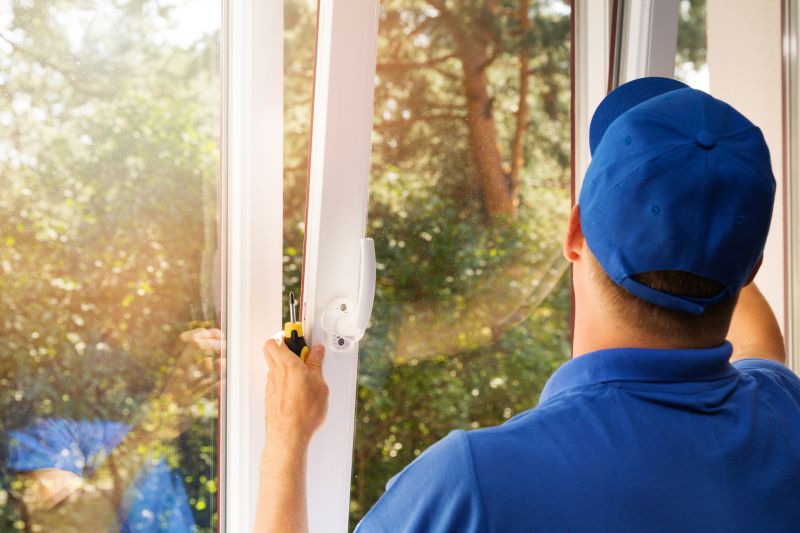
Configuring Windows after installation for optimal performance.

Testing hardware compatibility before Windows installation.

Applying updates post-Windows installation.

Training users on new Windows features.

Resolving issues during Windows installation.

Backing up data prior to Windows installation.
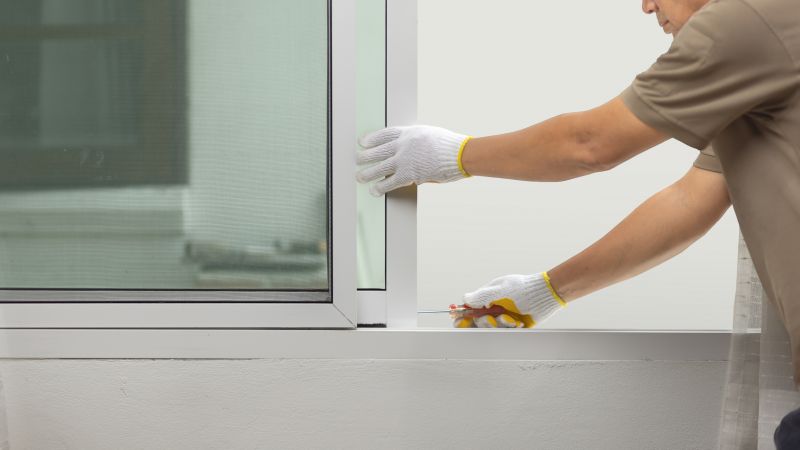
Ensuring system stability after installation.
| Timing Consideration | Details |
|---|---|
| Spring and Fall | Moderate weather reduces installation delays. |
| Weekends or Off-Hours | Allows dedicated time without disrupting workflow. |
| Low Business Activity Periods | Minimizes operational impact. |
| Post-Update Releases | Ensures compatibility and security. |
| Hardware Readiness | Prepares hardware for smooth installation. |
| Software Compatibility | Schedules around software update cycles. |
| User Availability | Ensures users are available for training and support. |
| Maintenance Windows | Aligns with scheduled maintenance for minimal disruption. |
Choosing the right time for Windows installations involves considering weather conditions, business cycles, and hardware readiness. Proper timing helps prevent delays and ensures a seamless transition to the new operating system. Regular updates and compatibility checks are vital for maintaining system security and performance.

Preparing hardware and software for installation.

Technicians installing Windows on a workstation.

Configuring settings after Windows setup.

Verifying system stability post-installation.
Timely Windows installations can improve system performance and security, reducing downtime and enhancing productivity. Planning ahead and selecting optimal times ensures minimal disruption and a smoother upgrade process.
For those interested in scheduling Windows installations or seeking professional assistance, it is recommended to contact experienced technicians. Proper planning and execution can lead to more efficient upgrades and long-term system stability.